

[
The United Nations and humanitarian organizations are warning that people in Gaza and Sudan are facing famine on a catastrophic scale.
In Gaza, 27 people – 23 of them children – have died of starvation, as international bodies say hunger is being used as a weapon of war by Israel.
And in Sudan, the World Food Program (WFP) is already receiving reports of people dying of hunger and it is poised to be “the world's worst hunger crisis”, a UN report told the Security Council in March this year. A warning was given in the briefing.
What is 'starvation'?
In some words starvation occurs when the human body is deprived of food for so long that it suffers and in many cases dies.
“It's a very cruel, slow death,” said Dr Omar Abdel-Mannan, a British Egyptian pediatrician and neurologist who volunteers in Gaza. “You basically just waste away.”
For ethical reasons, scientists have been unable to tell how long it takes to die from starvation. However, based on observation, it is believed that the human body can survive without food for up to three weeks.
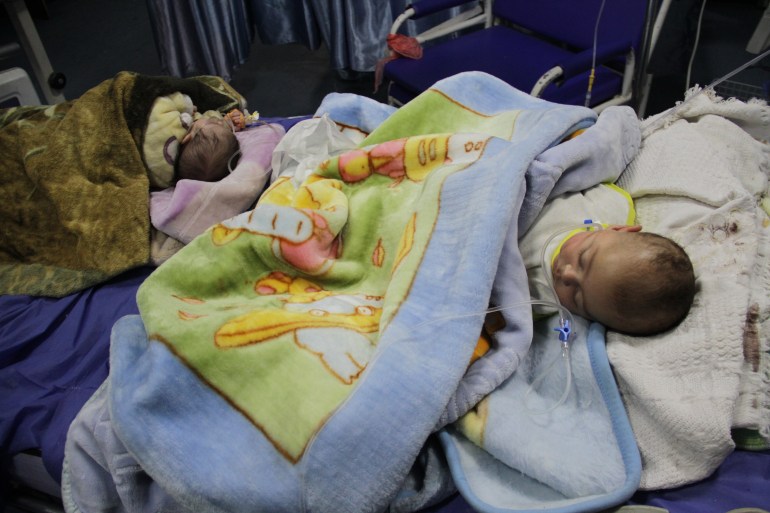
When is someone classified as starving?
Starvation occurs in three stages.
The first starts with discarded food; The second comes with any prolonged period of fasting when the body relies on stored fat for energy.
The third, and often fatal, stage occurs when all stored fat is depleted and the body turns to bones and muscles as a source of energy.
What happens to the body?
In the early stages, as food is refused, the body feeds on a starchy substance called glycogen, which is stored in the liver.
Initially, the body relies on glycogen before turning into fat and then muscle, causing the body to shrink and the starved person to appear gaunt, with hollow cheeks.
The brain is deprived of the energy it needs to function, so a hungry person experiences irritability, mood swings, and difficulty concentrating.
“Basically, the body slows down as it draws energy from other organs to keep the brain and heart running,” Abdel-Mannan explained.
The corresponding decline in blood pressure and pulse will eventually affect the functioning of the heart.
An adult heart usually weighs about 300 grams (11 oz), but records show that it can shrink to 140 grams (5 oz) in the later stages of starvation.
Eventually, if an infection does not spread through the body, the heart will fail.
Starvation usually causes bloating, as well as nausea and vomiting.
“In children, marasmus and kwashiorkor (severe protein deficiency leading to fluid retention and abdominal swelling) are the most common serious conditions resulting from starvation/malnutrition and require expert management to prevent early death,” said Abdel-Mannan. Is required.”
The muscles of a hungry person's digestive system are sometimes affected, and they may lose the ability to move food through the intestine. Other possible complications, many serious, may arise, such as pancreatitis.
According to Abdel-Mannan, as the immune system shuts down, most hungry people become victims of secondary infections such as gastroenteritis, where the body expels leftover food instead of starvation.
Without fat and cholesterol from food, the production of testosterone, estrogen and thyroid hormones is affected.
These hormones are needed to keep bones strong and regulate the body's cycles. Without these, bones become weak, menstruation can be affected and the risk of hypothermia increases. Brittle hair or complete hair loss may also occur.
How do you die of hunger? Hunger pangs, as you might expect, are relatively short-lived before the body works to strengthen its defenses.
However, the pain caused by hunger can cause intense physical and psychological distress in the short term.
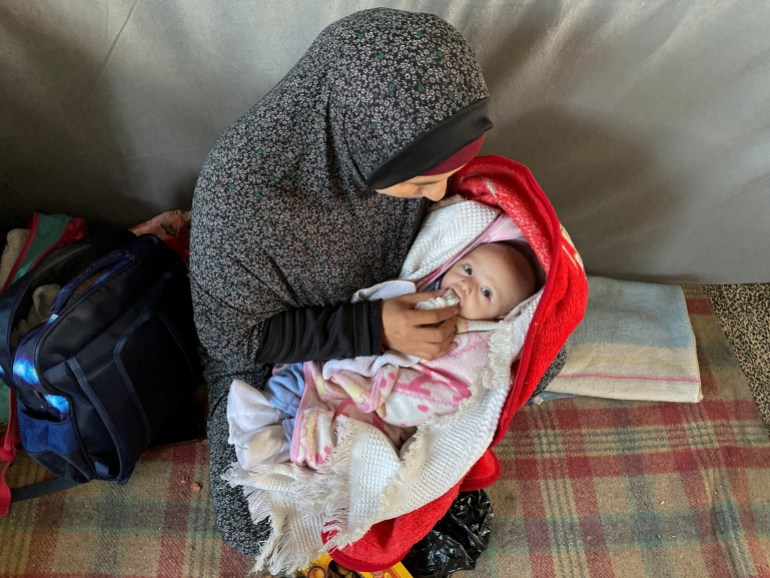
The damage done to the human body is often so great that giving too much food or liquid nutrition to a starving person in the first four to seven days can lead to increased production of glycogen, fat and protein in the cells which can prove fatal.
“Refeeding syndrome (where food suddenly becomes available) can also kill patients,” Abdel-Mannan said. “Food needs to be introduced gradually and under medical control.”
Even if refeeding is successful, survivors of starvation may experience lifelong physical and psychological effects.
“At least in infants under two years of age, starvation can limit brain development, preventing children from reaching their full potential cognitively and having lasting negative effects on future health,” said Abdel-Mannan. Let's also leave.”
Why is this happening?
In both Gaza and Sudan, one belligerent party is being accused of extorting food from the people as part of its arsenal.
Israel is limiting aid to the approximately 2.3 million Palestinians trapped and besieged in Gaza, pushing 1.1 million people into “catastrophic hunger”, while 300,000 people trapped in northern Gaza face famine.
WFP says that in Sudan, warring factions – the national army and the paramilitary Rapid Support Force – are blocking the delivery of aid to people living in those areas, resulting in about 18 million people facing severe food insecurity.
Starving civilians is a violation of international humanitarian law.